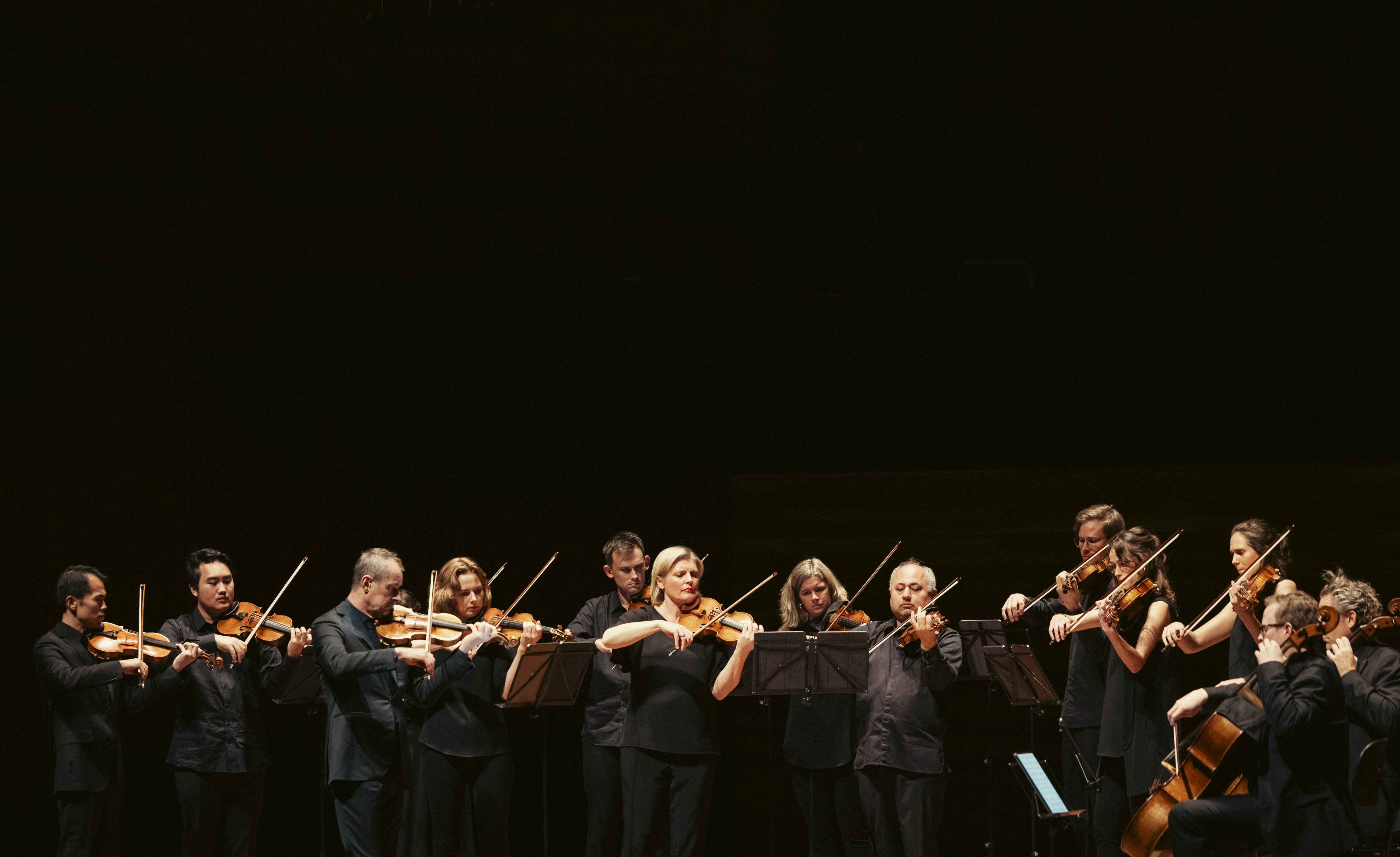
If your child has enjoyed 'Try an Instrument' at an ACO Family Day, or watched the ACO on YouTube, or enjoyed an ACO Families production, and they want to learn to play a string instrument themselves... you may be left wondering, "What next?" We spoke with our friends at Sydney String Centre, who make our 'Try an Instrument' experience possible, about the next best steps to set up your child (and yourself) for success and bring the joys of music learning to your home.
Why is it important to SSC to support opportunities like "Try an Instrument"?
At the Sydney String Centre, we believe experiences like "Try an Instrument" play a vital role in removing barriers to music education. There's something uniquely powerful about what happens at a Family Day: a child watches professional musicians perform on stage, then moments later holds that same instrument in their own hands. You can see the child’s eye light up as soon as the bow touches the strings!
For many children, it's their very first hands-on experience with a string instrument. That moment, when they draw a bow across a string and hear a sound they made, is often the spark that turns curiosity into commitment. Being able to try appropriately sized instruments makes all the difference too. A five-year-old on a correctly fitted 1/8 size violin feels capable and comfortable; on a full-size instrument, the same child feels defeated before they've begun. Our goal is to create a memorable and positive first experience, one that builds confidence, inspires excitement, and may lead to a lifelong love of music.
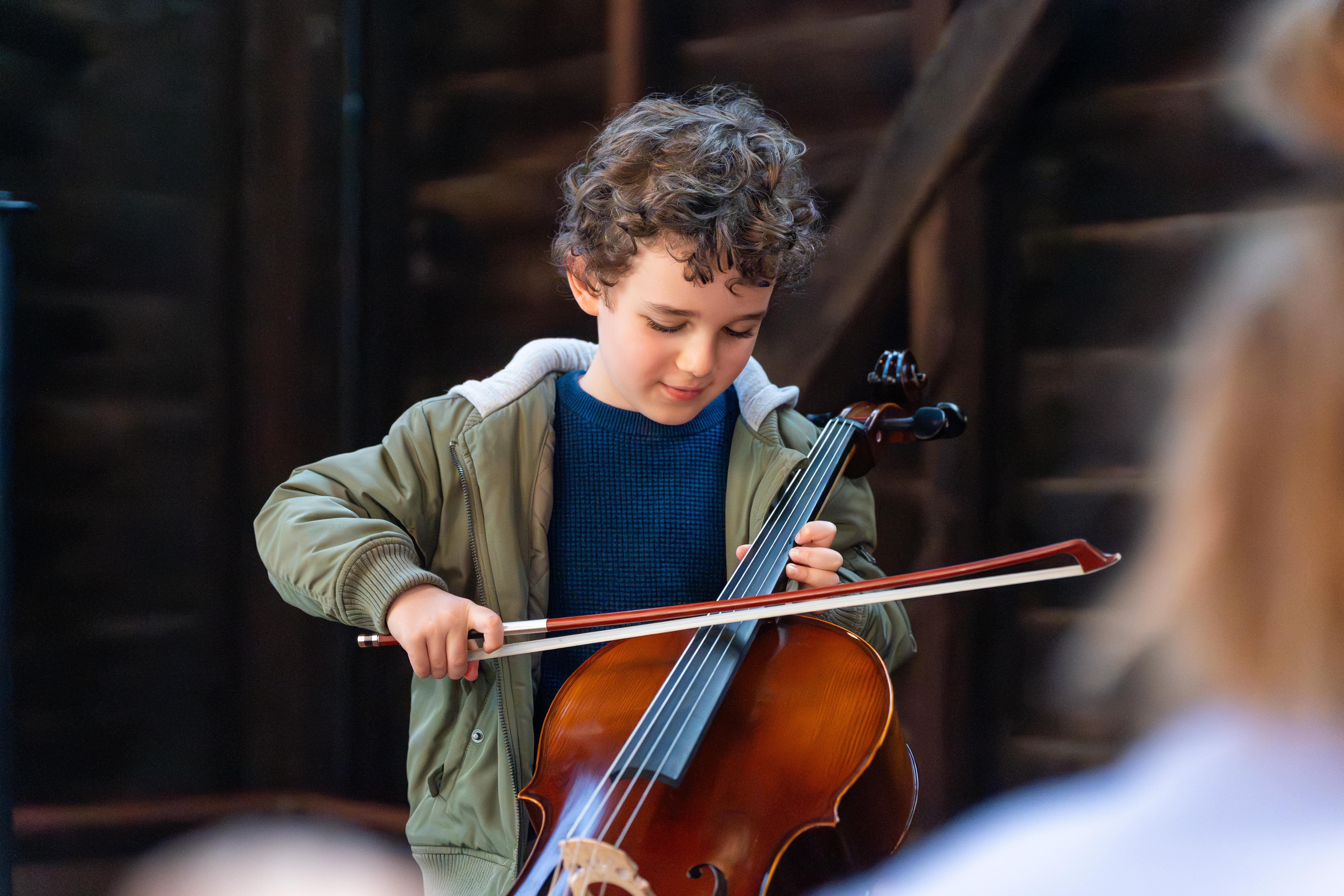
If a child has tried and loved a violin or cello at Family Day and wants more, what are the next steps?
The two most important next steps are finding the right teacher and getting the right instrument, ideally in that order.
Finding a teacher
Before renting or buying an instrument, we always encourage families to connect with a qualified teacher. A good teacher will guide both the student and the parent through the early stages of learning, and they'll also help inform the right instrument choice. For parents without a musical background, it can feel like unfamiliar territory, but a good teacher is used to working with families exactly like yours.
When looking for a teacher, it's worth asking a few questions before committing:
• What teaching method do you use (Suzuki, AMEB, or another approach), and what does that look like in practice?
• What are your expectations around home practice and parental involvement?
• Are there performance opportunities, group classes, or ensemble activities throughout the year?
• What age groups and experience levels do you typically teach?
Finding a teacher whose values align with your family's goals matters more than most parents realise. We regularly see children give up not because of a lack of ability or interest, but because of a mismatch with their teacher. Whatever your goals are, it’s important to feel like you’re progressing but your approach to learning will be very different if you’re just playing for leisure vs sitting exams and competing.
We have created a free downloadable guide to finding a teacher here, which includes a list of useful teacher directories as well as questions to ask candidates to help you find a teacher that’s a good fit for your child.
Getting the right instrument
Once you have a teacher in place, the next step is getting a properly sized, quality instrument. At the Sydney String Centre, we offer a rental program specifically designed for families at this stage, with quality instruments that are correctly fitted, without a large upfront commitment. Renting gives families the chance to see whether their child enjoys learning before committing to a purchase, and the first three months of rental payments can be put toward buying an instrument if they decide to continue.
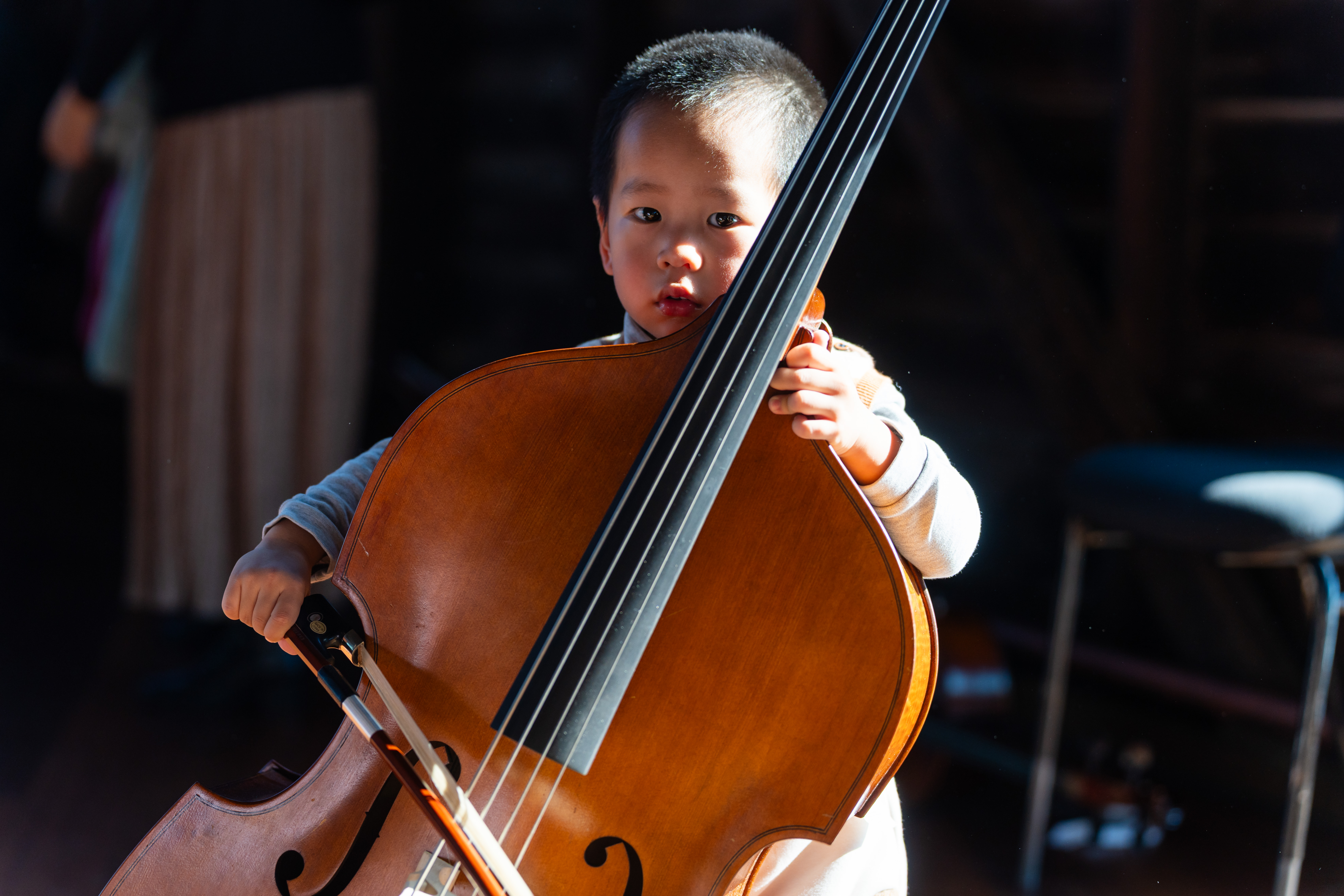
What should parents know before their child starts learning a string instrument?
Sizing is more important than most people realise. String instruments come in a wide range of sizes, from a tiny 1/16 violin for very young beginners right up to full size. Playing on an instrument that doesn't fit makes learning significantly harder and can, in some cases, cause physical strain. Getting sized properly by a specialist is one of the most valuable things a family can do before starting lessons, and it's something a general retailer is rarely equipped to help with.
Quality makes a real difference to early progress. A well-made, well-set-up instrument with quality strings produces a sound that's genuinely rewarding to play. A poor instrument fights back; it's harder to draw a clean tone from, the strings resist the bow, and the sound is discouraging rather than inspiring. This is one of the most common reasons children give up in the first few months. You don't need an expensive instrument, but you do need the right one that supports the player’s learning.
Consistent practice beats long practice. Especially in the early stages, short and regular sessions are far more effective than long, infrequent ones. Even ten minutes a day builds more progress than an hour on the weekend. Establishing a regular time and place to practice, even something as simple as before dinner, makes a significant difference.
The parent's role is significant, even without a musical background. You don't need to play an instrument yourself. But being present at lessons, understanding what the teacher is asking your child to work on at home, and showing genuine interest in what they're learning are all things that correlate strongly with children who stick with it and thrive.
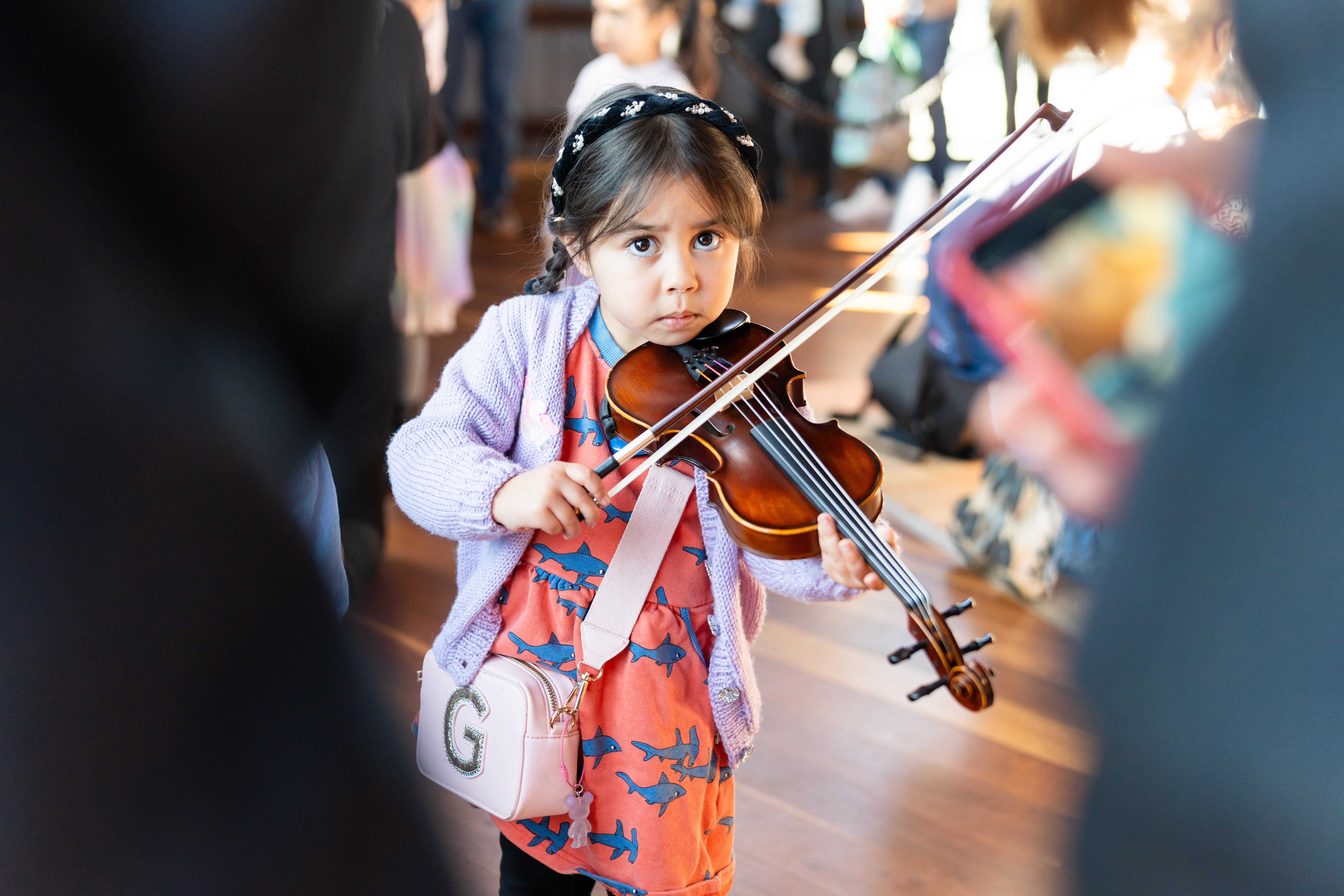
Are there myths you'd like to debunk?
"Every child should start on violin." Not true. Cello is a wonderful first instrument for many children, and some are naturally drawn to viola or even double bass. The right instrument is the one your child is excited about; enthusiasm is a much better predictor of success than instrument choice.
"Children should wait until a certain age." There's no universal rule. We've fitted instruments for children as young as two and seen teenagers pick up a string instrument for the first time and flourish. Readiness depends on the individual child, their focus, coordination, and willingness to participate, not a specific birthday.
"A cheap instrument is fine to get started." This is probably the myth that costs families the most. Instruments sold for $150–200 at general retailers are typically made from laminated rather than solid wood, strung with low-grade factory strings, and never set up by a qualified luthier. The result is an instrument that's genuinely difficult to play and produces a sound that discourages rather than inspires. We're yet to find a working violin we can sell for $200. For families who want to start without a large outlay, renting a quality instrument from a specialist is the answer, not buying cheap.
If a family wants to take the next steps, what's the best way to start?
Come in and see us. We'll ask a few simple questions, your child's age, their approximate size, whether they have a teacher yet, and we can size them up on the spot and walk you through the rental and purchase options. The whole process is straightforward, and we're very used to talking with families who are completely new to this.
You can book an appointment through our website at violins.com.au, or simply give us a call if you'd prefer to talk things through first. There's no pressure and no commitment, just a conversation about how to set your child up for the best possible start.